Dec 14
Jason Collins, NBA's First Openly Gay Player, Reveals Stage 4 Glioblastoma Diagnosis and Experimental Treatment in Singapore
READ TIME: 3 MIN.
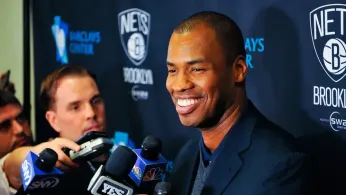
Jason Collins, the trailblazing former NBA center who made history as the first active player in a major U.S. professional sports league to come out as gay in 2013, announced on December 11, 2025, that he has been diagnosed with stage 4 glioblastoma, an aggressive form of brain cancer. In an open letter published by ESPN, the 47-year-old detailed the rapid onset of symptoms including brain fog, difficulty focusing, short-term memory loss, and struggles with simple tasks, which led to a CT scan at UCLA revealing the tumor.
Collins described how his symptoms escalated quickly during a routine activity. "I had been having weird symptoms like this for a week or two, but unless something goes really wrong, I'm going to go ahead. I'm an athlete," he wrote, recounting an incident where his mental clarity vanished within hours, likening himself to the forgetful fish Dory from Finding Nemo. A biopsy confirmed the glioblastoma had a 30% growth factor, meaning without intervention, it could have been fatal within six weeks to three months due to pressure within the confined space of the skull. The tumor, described by Collins as a "monster with tentacles" spanning the width of a baseball at the base of his brain and encroaching on the frontal lobe—which governs personality and identity—presents unique treatment challenges.
In September 2025, the NBA issued a brief statement about Collins undergoing treatment for a brain tumor, intentionally vague to protect his privacy while he was mentally incapacitated. Now ready to speak publicly, Collins emphasized his determination: "We're not going to sit back and let this cancer kill me without fighting with all our might."
Collins has undergone radiation therapy to slow tumor growth and is receiving targeted chemotherapy in Singapore, tailored to his specific tumor type. The strategy aims to stabilize the cancer long enough for a personalized immunotherapy treatment to be developed, representing a promising frontier in glioblastoma care. "The goal is to keep fighting the progress of the tumors long enough for a personalized immunotherapy to be made for me, and to keep me healthy enough to receive that immunotherapy once it's ready," Collins stated.
This international approach underscores the global quest for advanced cancer treatments, with Singapore emerging as a hub for experimental therapies. Collins' 13-year NBA career, spanning seven teams including the New Jersey Nets, Atlanta Hawks, and Washington Wizards, provided the resilience he now draws upon.
Collins' 2013 coming out on the cover of Sports Illustrated reverberated through sports, paving the way for LGBTQ+ athletes like Robbie Rogers in soccer and later figures in the WNBA and other leagues. His openness challenged norms in a traditionally macho domain, fostering greater acceptance for gay and lesbian athletes. Now, facing cancer, Collins invokes that same vulnerability to support others. "After I came out, someone I really respect told me that my choice to live openly could help someone who I might never meet. I've held onto that for years. And if I can do that again now, then that matters," he shared.
Reflecting on his grandmother's stage 4 stomach cancer battle, where she avoided the word "cancer," Collins takes the opposite stance: "I have cancer, but just like my grandmother fought it, I'm going to fight it." This defiance resonates within LGBTQ+ communities, where resilience against stigma and health disparities is a shared narrative. Organizations like the Human Rights Campaign have long highlighted how openly LGBTQ+ individuals in sports amplify visibility for health issues, potentially aiding research funding and awareness.
Collins' story highlights intersections of athletic perseverance, medical innovation, and identity. As he fights glioblastoma—a cancer with a median survival of 12-15 months post-diagnosis—his candor may spur clinical trial participation among LGBTQ+ individuals, who face barriers to equitable care. The NBA community, including former teammates and league executives, has rallied with support, echoing the solidarity shown after his coming out.